Quick Answer: Your car is probably ready to be scrapped when repair costs exceed its market value, it consistently fails its WOF, safety systems are compromised, or it’s become unreliable for daily use. If you’re spending more on repairs than the car is worth, it’s time to consider selling it to wreckers.
What’s in This Guide
- When Repair Costs Don’t Make Sense
- Repeated WOF Failures
- Safety Concerns You Can’t Ignore
- Reliability and Breakdown Issues
- Age and Overall Condition
- Why Choose Trentham Wreckers
- Frequently Asked Questions
When Repair Costs Don’t Make Sense
The clearest sign your car is ready to be scrapped is when the maths just don’t work anymore. There’s a simple rule of thumb: if the repair cost exceeds 50% of the car’s market value, it’s probably time to let go.
The 50% Rule Explained
Say your car is worth $2,000 on the open market. If you’re facing a $1,500 repair bill, that’s 75% of the car’s value. Even if you fix it, you’ll likely face more repairs soon – older cars rarely have just one problem.
Common Expensive Repairs to Watch For
- Engine replacement or major rebuild: $3,000-$8,000+
- Transmission replacement: $2,000-$5,000
- Head gasket repair: $1,500-$3,000
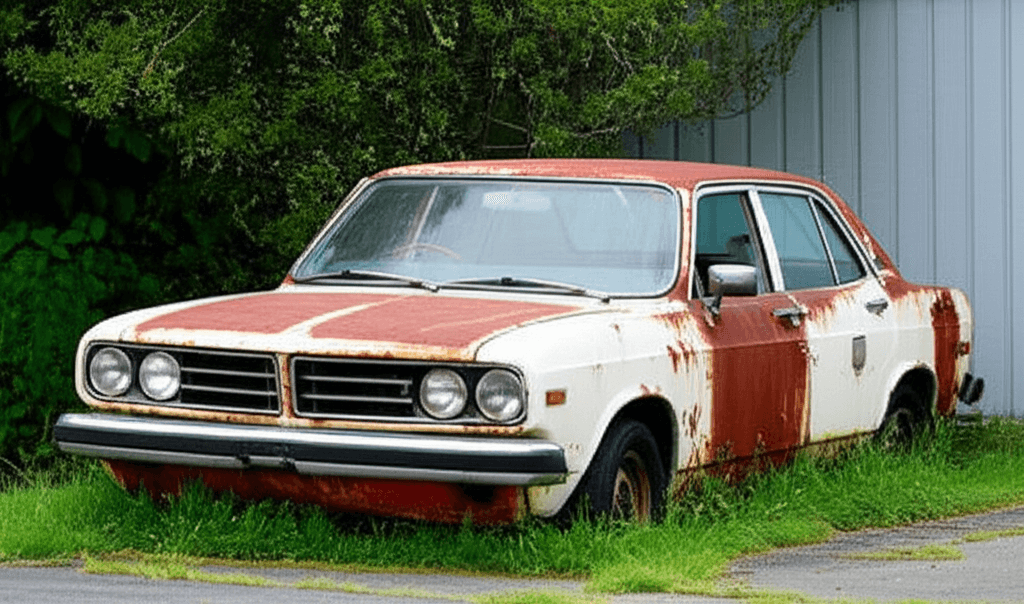
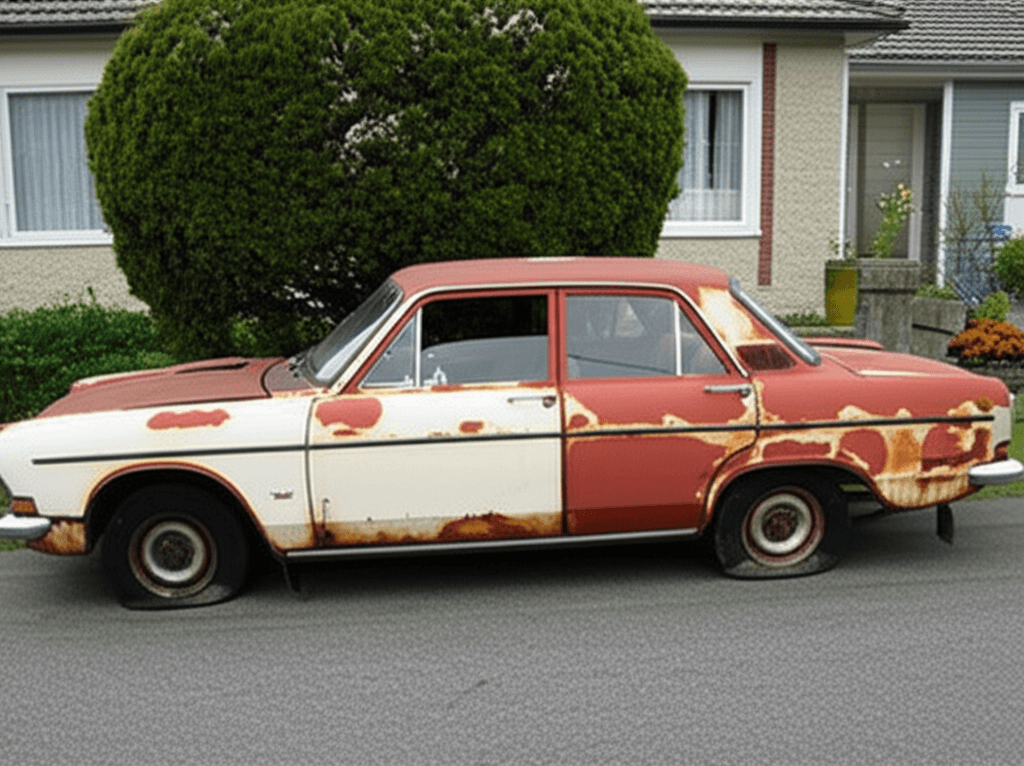
- Major rust repair: $2,000-$5,000+ (often structural)
- Timing belt/chain failure damage: $2,000-$4,000
- Air conditioning compressor: $800-$1,500
When you’re quoted these kinds of figures for an older vehicle, it’s worth getting a second opinion – not on the repair, but on whether the car is worth fixing at all.
Repeated WOF Failures
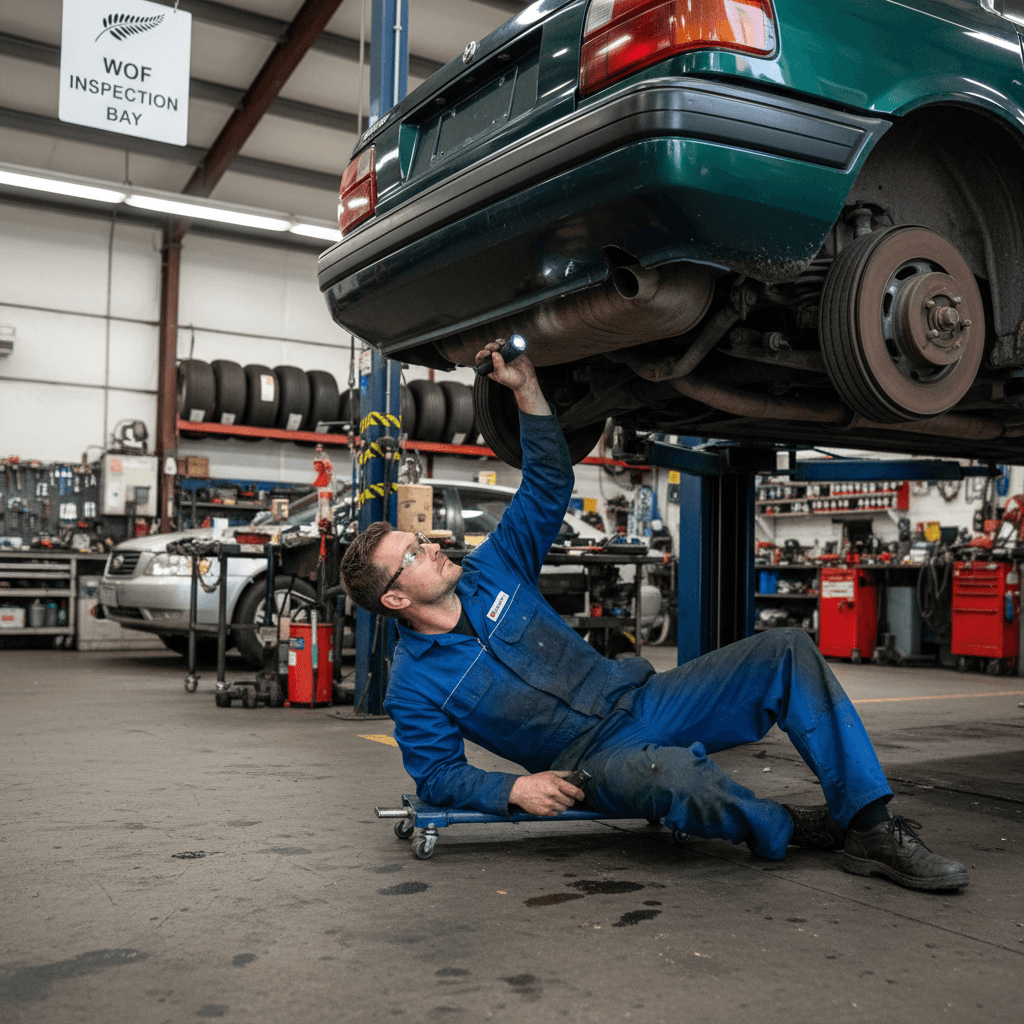
If your car keeps failing its Warrant of Fitness, that’s a strong signal it’s reaching the end of its useful life.
Warning Signs in WOF Reports
- Structural rust: Rust in the chassis, subframe, or body mounts is often uneconomical to repair
- Suspension wear: Multiple worn components suggest the whole system needs attention
- Brake system issues: Worn rotors, callipers, and lines add up quickly
- Steering problems: Worn tie rods, rack, and bushings can be expensive to replace
- Exhaust failures: Especially when the whole system is corroded
The Cumulative Effect
Each individual WOF failure might seem manageable, but they add up. If you’re spending $500-$1,000 every six months just to pass the WOF, that’s $1,000-$2,000 per year on a car that’s probably worth less than $3,000.
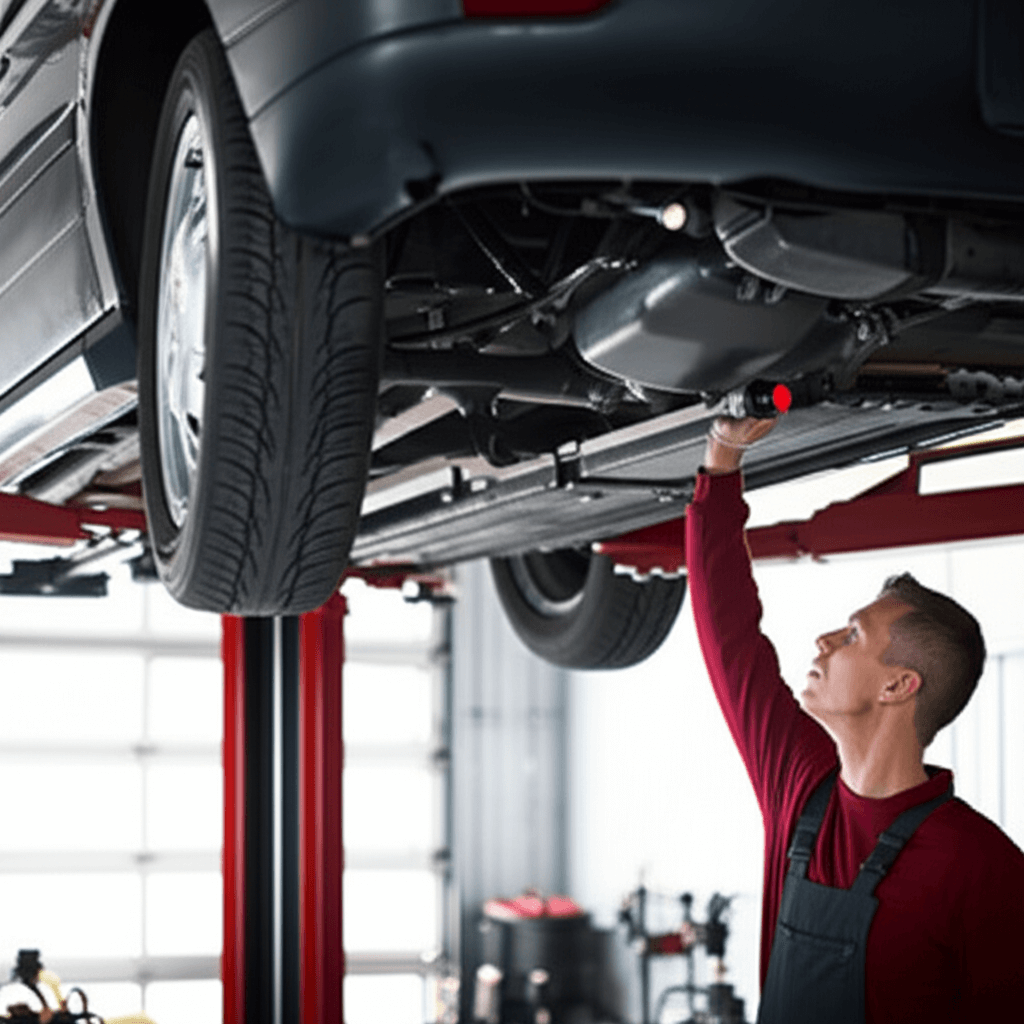
Safety Concerns You Can’t Ignore
Some issues go beyond economics – they’re about keeping you and your family safe on the road.
Critical Safety Red Flags
- Airbag warning light stays on: Airbags may not deploy in a crash
- ABS warning light: Anti-lock brakes may not function
- Structural damage from previous accidents: Compromised crumple zones
- Severe rust in safety-critical areas: Floor, sills, subframe
- Brake pedal goes to the floor: Master cylinder or line failure
- Steering feels loose or wanders: Worn steering components
When Safety Systems Fail
Modern cars have multiple safety systems that work together. When these start failing due to age or wear, you’re driving a vehicle that’s significantly less safe than when it was new. At some point, the risk isn’t worth it.
Reliability and Breakdown Issues
A car that leaves you stranded regularly isn’t just inconvenient – it’s telling you something important.
Signs of Terminal Unreliability
- Won’t start reliably: Especially in cold or wet weather
- Overheating regularly: Could indicate head gasket or radiator issues
- Mysterious electrical problems: Lights flickering, random warning lights
- Strange noises that keep coming back: Even after repairs
- Excessive oil consumption: More than a litre between services
- Transmission slipping or jerking: Often a sign of impending failure
The Hidden Cost of Breakdowns
Beyond the repair bills, consider what breakdowns cost you:
- Towing fees ($100-$300 per incident)
- Missed work or appointments
- Rental car costs while yours is in the shop
- Stress and inconvenience
Age and Overall Condition
Sometimes it’s not one big problem but the accumulation of age-related wear that signals it’s time.
Signs of General Deterioration
| Area | Warning Signs | What It Means |
|---|---|---|
| Body | Rust bubbles, soft panels, holes | Structural integrity compromised |
| Interior | Worn seats, broken controls, musty smell | General neglect and age |
| Engine | Blue smoke, knocking, oil leaks everywhere | Major engine wear |
| Suspension | Bouncy ride, clunks over bumps | Multiple worn components |
| Electrical | Random faults, dead accessories | Wiring degradation |
High Mileage Considerations
While some cars run well past 300,000 km, most New Zealand vehicles start showing significant wear around 200,000-250,000 km. At this point, major components often need replacement all at once.
Should You Scrap Your Car? Quick Scorecard
Count how many of these apply to your vehicle. The more you tick, the stronger the case for scrapping.
| Sign | What It Means | Applies? |
|---|---|---|
| Repair bill exceeds 50% of car value | Throwing good money after bad | ☐ |
| Failed WoF 2+ times in 12 months | Ongoing safety and compliance issues | ☐ |
| Structural rust in chassis or subframe | Cannot be permanently fixed | ☐ |
| Engine or transmission failing | $2,000–$5,000+ to replace | ☐ |
| Spent $1,500+ on repairs in last year | Pattern of expensive failures | ☐ |
| Car is 15+ years old with 200,000+ km | Major components near end of life | ☐ |
| Breakdowns more than once a month | Unreliable for daily transport | ☐ |
| Sitting unused for 6+ months | Seals, battery, brakes deteriorating | ☐ |
Score guide: 0–1 = probably worth keeping. 2–3 = get a quote from a wrecker and compare against repair costs. 4+ = scrapping is almost certainly your best option — get a free quote from Trentham Wreckers.
Why Choose Trentham Wreckers
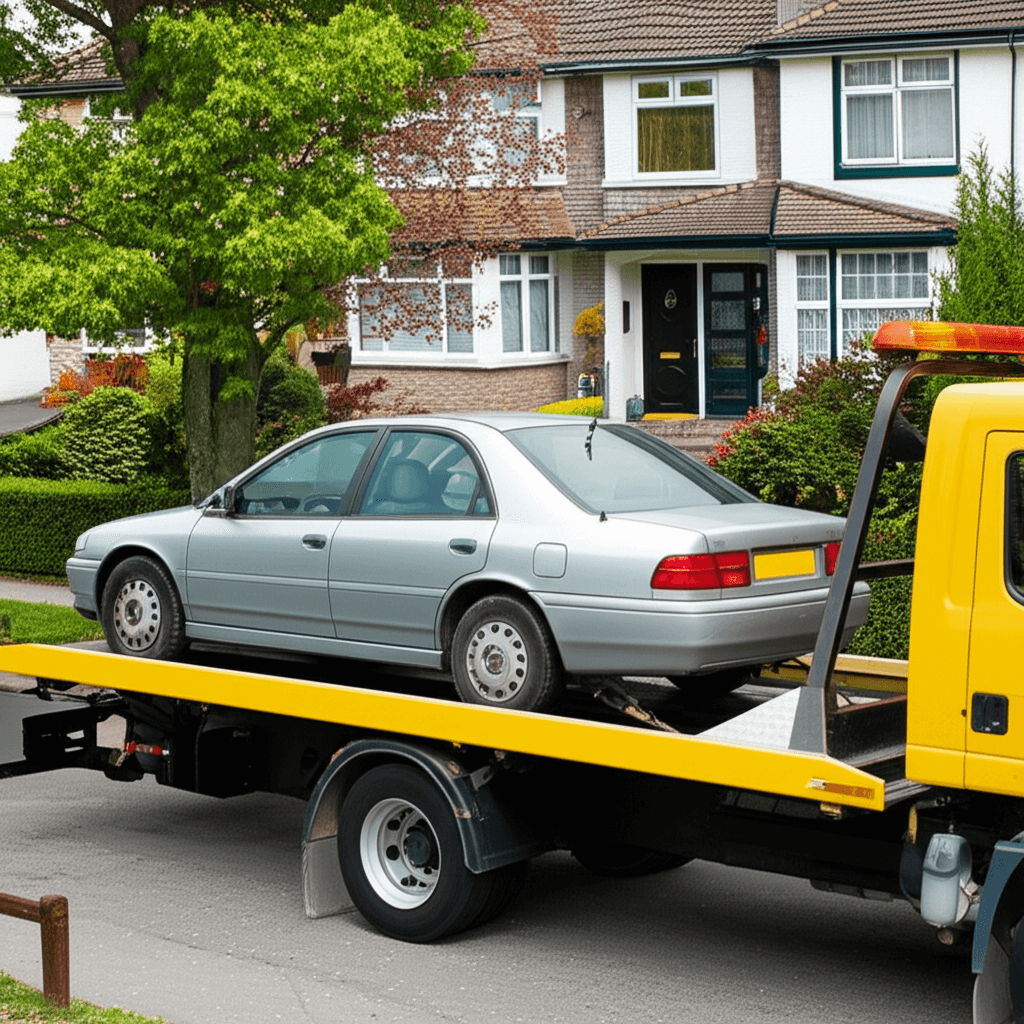
When you’ve decided your car is ready to go, you want the process to be easy. Our Wellington scrap car removal team makes it simple to say goodbye to your old vehicle and get cash in hand.
What Sets Us Apart
- Free removal: We come to you anywhere in the Wellington region
- Same-day pickup: Often available for quick turnaround
- Cash on the spot: Get paid when we collect – no waiting
- Any condition accepted: Running or not, damaged or complete
- All paperwork handled: We take care of NZTA deregistration
- Fair quotes: We assess every vehicle honestly
Ready to move on from your old car? Get a free quote today and find out what your vehicle is worth.
Frequently Asked Questions
Will I get more money selling privately than to wreckers?
Sometimes, but not always. Private sales take time, involve tyre-kickers, and you’re responsible for the WOF and registration. For cars in poor condition, professional vehicle wreckers often offer competitive prices without the hassle.
Does my car need to be running to sell it?
No. We buy cars in any condition – running, not running, accident damaged, or mechanically failed. Non-running cars still have valuable parts and scrap metal value.
What if I still owe money on the car?
You’ll need to settle the finance before selling. If you owe more than the car is worth, you’ll need to pay the difference. We can provide a quote to help you work out the numbers.
How do I know if my car is worth more as parts or scrap?
Popular models with good parts are worth more to wreckers than generic cars going straight to scrap. Japanese cars, especially Toyota and Honda, often have strong parts demand.
Should I fix anything before selling to wreckers?
Generally no. We buy cars as-is, and spending money on repairs rarely increases the payout enough to be worthwhile. Save your money and sell it in current condition.
How quickly can you pick up my car?
Often the same day or next day. Once we’ve agreed on a price, we’ll arrange a pickup time that suits you. The whole process from quote to cash typically takes less than 24 hours.