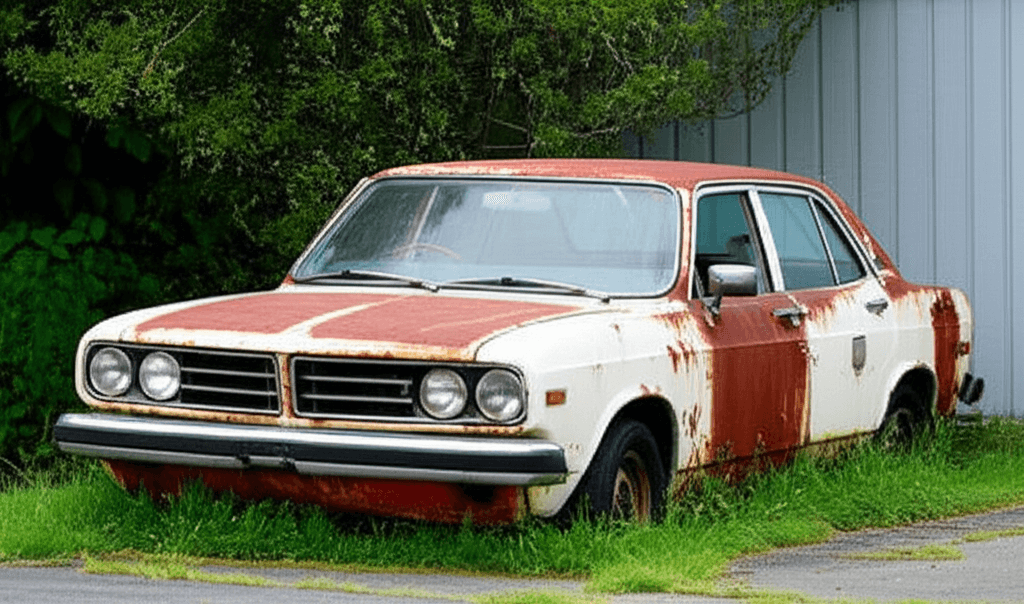
Quick Answer: If your car has failed its WoF, compare the repair cost against the vehicle’s current market value. As a general rule, if repairs will cost more than 50% of what the car is worth, scrapping it and getting cash from a wrecker is usually the smarter financial move.
What’s in This Guide
- Common WoF Failures and What They Cost to Fix
- The Repair vs Scrap Decision Framework
- When Scrapping Is the Clear Winner
- What to Do Next if You Decide to Scrap
- Why Wellington Drivers Choose Trentham Wreckers
- Frequently Asked Questions
Common WoF Failures and What They Cost to Fix
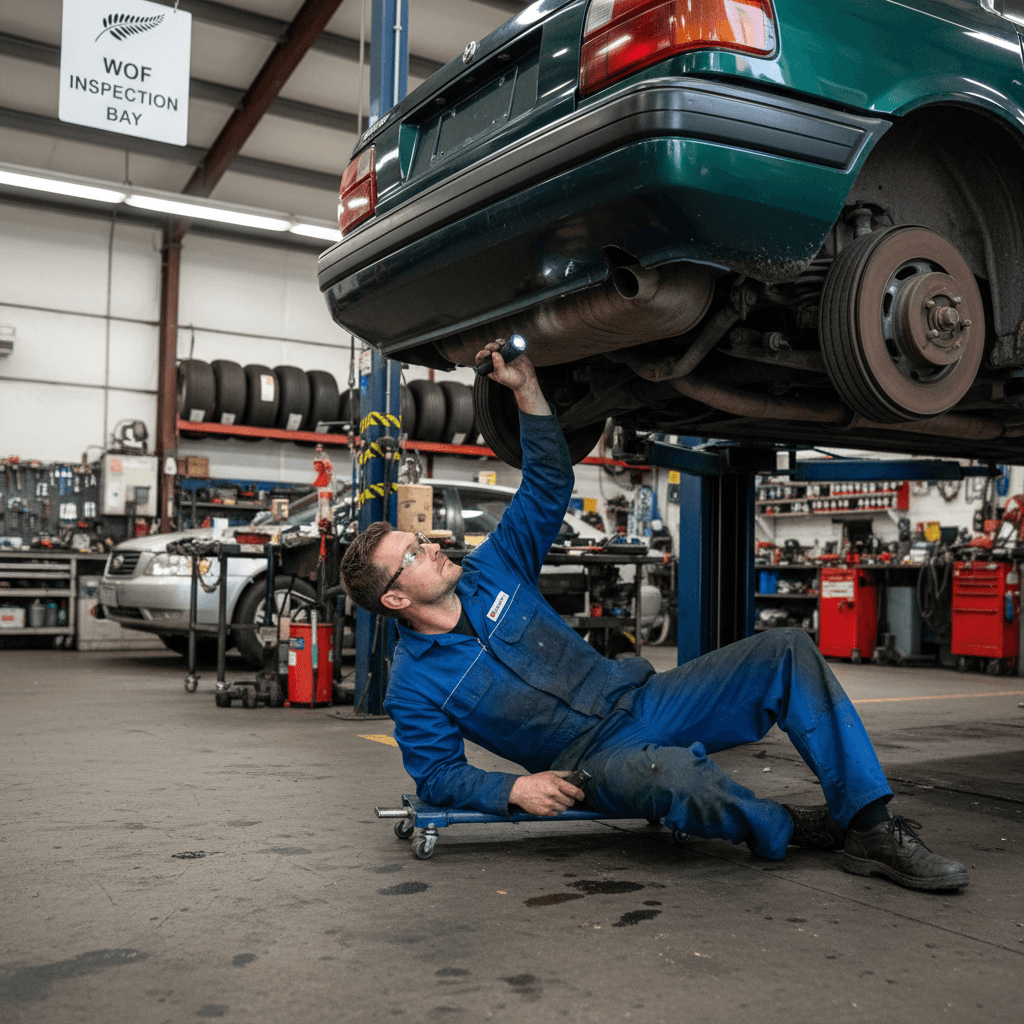
Not all WoF failures are equal. Some are cheap fixes that take 30 minutes. Others are expensive problems that signal deeper issues with the vehicle. Here’s what the most common failures typically cost in New Zealand.
| WoF Failure | Typical Repair Cost | Worth Fixing? |
|---|---|---|
| Tyres below minimum tread | $80 – $200 per tyre | Usually yes |
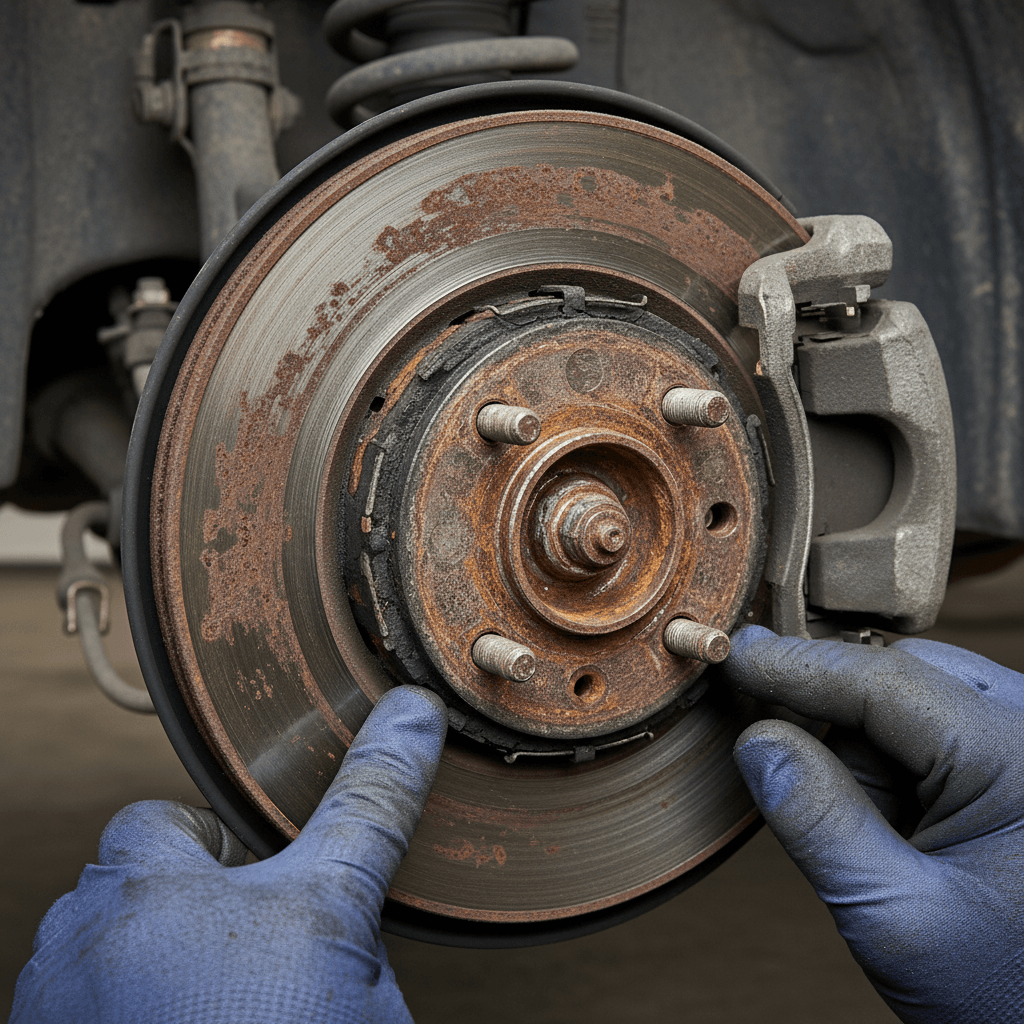
| Worn brake pads/discs | $200 – $600 | Yes for newer cars |
| Broken lights or indicators | $20 – $150 | Almost always yes |
| Suspension issues | $400 – $1,500 | Depends on car value |
| Rust or structural corrosion | $500 – $3,000+ | Rarely worth it |
| Exhaust system failure | $300 – $1,200 | Depends on car value |
| Steering components | $300 – $1,000 | Depends on car value |
| Windscreen damage | $200 – $500 | Usually yes |
The real problem comes when multiple items fail at once. A car that needs new tyres, brakes, and suspension work can easily rack up $2,000+ in repairs. On an older vehicle worth $3,000-$4,000, that math stops making sense quickly.
The Repair vs Scrap Decision Framework
There’s no single answer that works for every situation, but this framework helps you make a clear-headed decision when emotions are running high.
The 50% Rule
If the total repair bill exceeds 50% of your car’s current market value, scrapping is almost always the better financial decision. Check your car’s value on Trade Me or similar platforms to get a realistic number, not what you paid for it or what you think it should be worth.
Factor in Future Repairs
A car that fails its WoF on one major item will often develop more problems in the coming months. Older vehicles tend to fail in clusters. Fixing the suspension today doesn’t stop the exhaust from going next month. Consider whether this repair is a one-off or the start of an expensive pattern.
Calculate Your True Cost of Ownership
Add up what you’ve spent on repairs in the last 12 months. If that number is creeping above $1,500-$2,000 on a car worth under $5,000, the car is costing you more to keep than it’s worth. Your money would be better spent as a deposit on something more reliable.

Consider the Safety Factor
WoF failures related to brakes, steering, suspension, and structural rust aren’t just expensive to fix. They’re safety issues. Driving a vehicle that struggles to pass basic safety checks puts you and your passengers at risk. Sometimes the right decision isn’t just about money.
Quick Decision Matrix
Use this table to make a fast decision based on your situation:
| Your Situation | Repair or Scrap? | Typical Payout if Scrapped |
|---|---|---|
| Single minor failure (lights, tyres) | Repair — cheap fix, car stays roadworthy | N/A |
| Repair cost under 30% of car value | Repair — financially sensible | N/A |
| Repair cost 30–50% of car value | Consider scrapping — weigh future costs | $300 – $2,000 |
| Repair cost over 50% of car value | Scrap — not worth repairing | $300 – $3,000 |
| Structural rust or chassis damage | Scrap — will not pass future WoFs | $200 – $1,500 |
| Engine or transmission failure | Scrap — repair exceeds car value | $500 – $3,500 |
| Multiple failures ($2,000+ combined) | Scrap — cascade of problems | $300 – $2,500 |
| Car over 20 years old + major failure | Scrap — diminishing returns on old vehicles | $200 – $1,500 |
| Spent $1,500+ on repairs in last 12 months | Scrap — pattern of expensive failures | $300 – $2,000 |
When Scrapping Is the Clear Winner
In some situations, the decision is straightforward. If any of these apply to your car, scrapping is almost certainly the right call.
- Structural rust – Rust in the chassis, subframe, or structural members is expensive to repair and will keep coming back. Once a car has significant structural corrosion, it’s a losing battle.
- Engine or transmission failure – A blown engine or dead transmission on a car worth under $5,000 makes no financial sense to repair. Replacement engines and gearboxes can cost $2,000-$5,000 installed.
- Multiple system failures – When the brakes, suspension, exhaust, and tyres all need work at the same time, the combined cost usually exceeds the car’s value.
- Previous repairs haven’t lasted – If you fixed the same issue six months ago and it’s failed again, the underlying problem is likely worse than it appears.
- The car has been sitting unused – Vehicles that sit for months develop a whole range of problems from seized brakes to perished seals. Getting a neglected car back to WoF standard often costs more than it’s worth.
What to Do Next if You Decide to Scrap
Once you’ve decided that repairing isn’t worth it, the process of scrapping your car in Wellington is simpler than most people expect.
1. Get a Quote from a Wrecker
Contact a local car wrecker and describe your vehicle. They’ll need the make, model, year, and a rough idea of its condition. Most wreckers can give you a quote over the phone or online within minutes.
2. Arrange Free Pickup
Reputable wreckers offer free collection across the Wellington region. You don’t need to worry about towing costs or getting the car to a yard yourself. They come to your driveway, workplace, or wherever the car is sitting.
3. Get Paid and Hand Over
On the day of pickup, you’ll hand over the keys and receive payment. Most wreckers pay cash on the spot. Make sure you have your ID and any vehicle documentation ready.
4. Deregistration and Paperwork
A good wrecker will handle the deregistration process with NZTA so you don’t have to deal with the admin. Make sure to confirm this is included before handing over the vehicle.
Why Wellington Drivers Choose Trentham Wreckers
When your car has failed its WoF and the repair bill doesn’t stack up, our car wrecking service in Wellington gives you a fast, fair alternative to pouring money into a vehicle that’s past its best.
- Instant quotes – Call or message us with your car details and get a price within minutes
- Free collection across Wellington – Upper Hutt, Lower Hutt, Porirua, Kapiti, Wairarapa, and everywhere in between
- Cash on the spot – No waiting around for payments to process
- Any make, any condition – WoF failures, mechanical problems, accident damage, we take them all
- All paperwork handled – We take care of deregistration so you don’t have to
Frequently Asked Questions
Can I sell a car that has failed its WoF?
Yes. You can sell a car privately without a current WoF, but you must disclose this to the buyer. Alternatively, you can sell it to a car wrecker who will accept it regardless of WoF status and pay you cash on the spot.
How much is a car worth if it fails its WoF?
The value depends on the make, model, age, and weight of the vehicle rather than whether it has a WoF. A wrecker will assess the scrap value based on these factors. Even cars with major WoF failures still have value in their metal and reusable components.
What happens if I drive a car without a WoF?
Driving without a valid WoF in New Zealand can result in a $200 infringement fee. If you’re stopped and the vehicle is deemed unsafe, it can be immediately impounded. Your insurance may also be void if you’re in an accident while driving without a WoF.
Can I get my car towed to a wrecker for free?
Most reputable car wreckers in Wellington offer free pickup and collection. You don’t need to arrange or pay for a tow truck separately. The wrecker will come to your location and load the car onto their truck at no charge.
How long do I have to get repairs done after a WoF failure?
After a WoF inspection failure, you have 28 days to get the repairs done and return for a re-inspection. If you miss this window, the vehicle will need a full WoF inspection again, not just a recheck of the failed items.
Is it worth fixing a 20-year-old car that failed its WoF?
It depends on the specific failures and the car’s market value. If the car is a common model worth $2,000-$3,000 and needs $1,500+ in repairs, scrapping is usually the smarter option. If it’s a well-maintained vehicle with only minor failures, repairing may still make sense.