Quick Answer: When your car arrives at a wrecking yard, it goes through a careful process of assessment, fluid removal, parts salvage, and metal recycling. Usable parts like engines, gearboxes, and interior components are removed, tested, and resold. The remaining shell is crushed and the metals recycled. Around 80-85% of a typical car can be recycled or reused.
What’s in This Guide
- What Happens When Your Car Arrives
- Safe Removal of Fluids and Hazardous Materials
- Parts Salvage and Resale
- Crushing and Metal Recycling
- Why Choose Trentham Wreckers
- Frequently Asked Questions
What Happens When Your Car Arrives
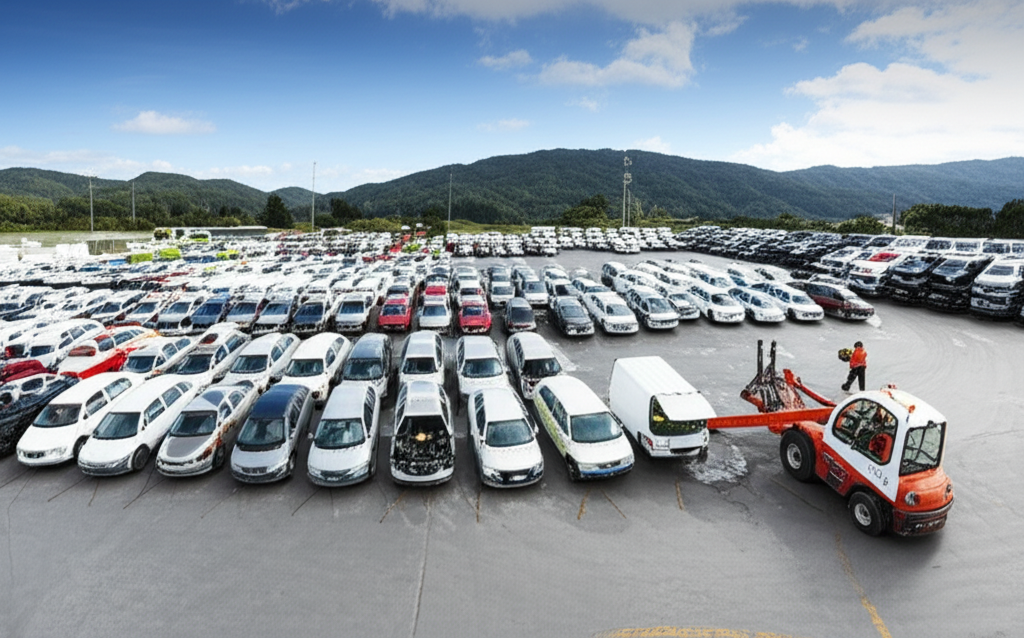
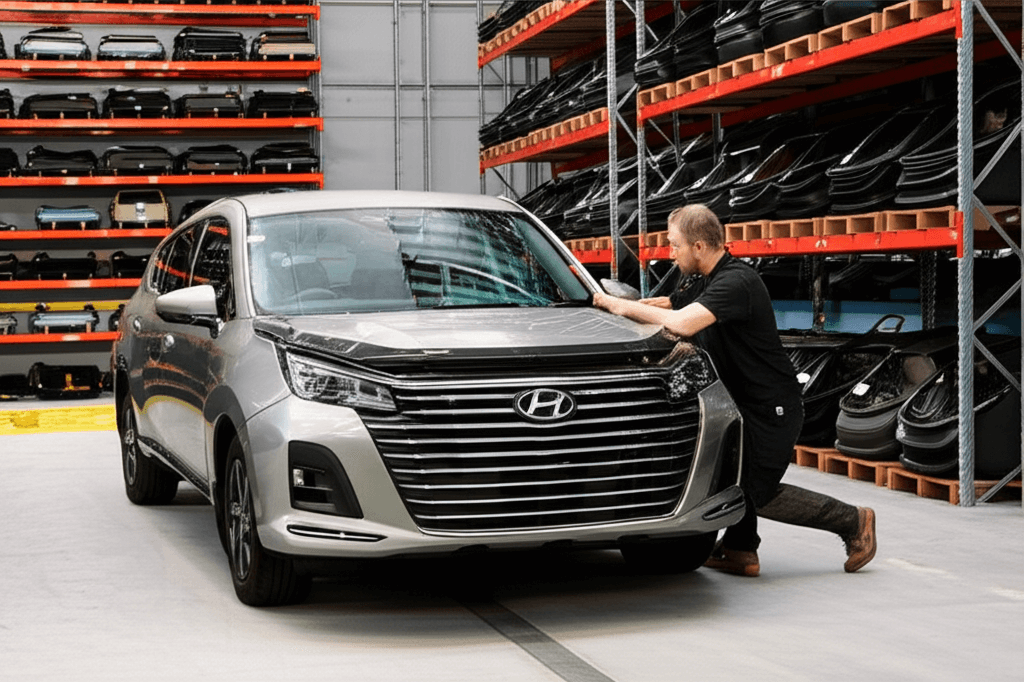
The journey of your old car through a wrecking yard is more organised than most people realise. From the moment it arrives, every step is designed to extract maximum value while meeting New Zealand’s environmental standards.
Initial Assessment
When your vehicle first arrives at the yard, trained technicians conduct a thorough assessment:
- Condition check: Overall state of the body, interior, and mechanical components
- Mileage and model verification: Helps determine which parts are most valuable
- Run test: If the car still runs, mechanics check engine and transmission condition
- Parts identification: High-demand components are flagged for careful removal
This assessment determines whether the car is worth dismantling for parts or should go straight to crushing. Most vehicles have plenty of reusable components even if they’re no longer roadworthy.
Documentation and Deregistration
Before any work begins, the ownership transfer is completed through NZTA. The wrecking yard submits a Notice of Disposal, which officially deregisters the vehicle. This protects you from any future liability and confirms the car has been properly disposed of.
Safe Removal of Fluids and Hazardous Materials
One of the most important steps in the wrecking process is safely removing all fluids and hazardous materials. This must happen before any dismantling begins.
Fluids That Get Drained
- Engine oil: Collected and sent for recycling or re-refining
- Petrol/diesel: Recovered fuel is often reused within the yard’s operations
- Coolant/antifreeze: Properly disposed of or recycled
- Brake fluid: Collected as hazardous waste
- Power steering fluid: Drained and disposed of correctly
- Air conditioning refrigerant: Captured and recycled (it’s illegal to release this)
- Windscreen washer fluid: Drained before crushing
Hazardous Components Removed
- Battery: Lead-acid batteries are highly recyclable – the lead, acid, and plastic are all recovered
- Airbags: Undeployed airbags must be safely discharged or removed
- Mercury switches: Found in older vehicles’ boot lights and bonnet lights
- Fuel tank: Drained completely and often removed for separate recycling
This careful fluid handling prevents soil and water contamination, keeping New Zealand’s environment protected.
Parts Salvage and Resale
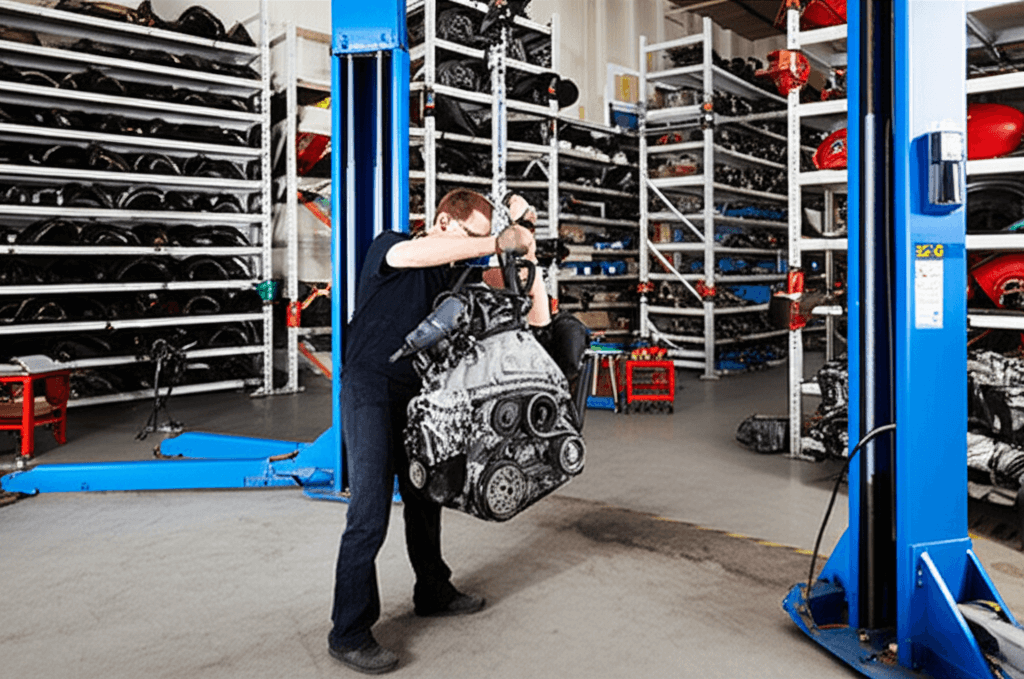
The heart of car wrecking is parts salvage. Good-condition components get a second life in other vehicles, which is both economically and environmentally sensible.
High-Value Parts Commonly Salvaged
| Part Category | Examples | Why They’re Valuable |
|---|---|---|
| Powertrain | Engines, gearboxes, differentials | Expensive to buy new, often still functional |
| Body panels | Doors, bonnets, guards, bumpers | Cheaper than panel beating for crash repairs |
| Interior | Seats, dashboards, steering wheels | Hard to find for older models |
| Electronics | ECUs, alternators, starters, sensors | High cost of new electronic parts |
| Suspension | Struts, springs, control arms | Wear items with good second-hand value |
| Glass | Windscreens, side windows | Undamaged glass is easily reused |
The Testing and Storage Process
Salvaged parts don’t just go straight onto shelves. Reputable wreckers follow a quality process:
- Careful removal: Parts are extracted without damage using proper tools
- Cleaning: Components are cleaned of dirt, oil, and grime
- Testing: Electrical parts are tested, mechanical parts inspected
- Cataloguing: Parts are barcoded and entered into inventory systems
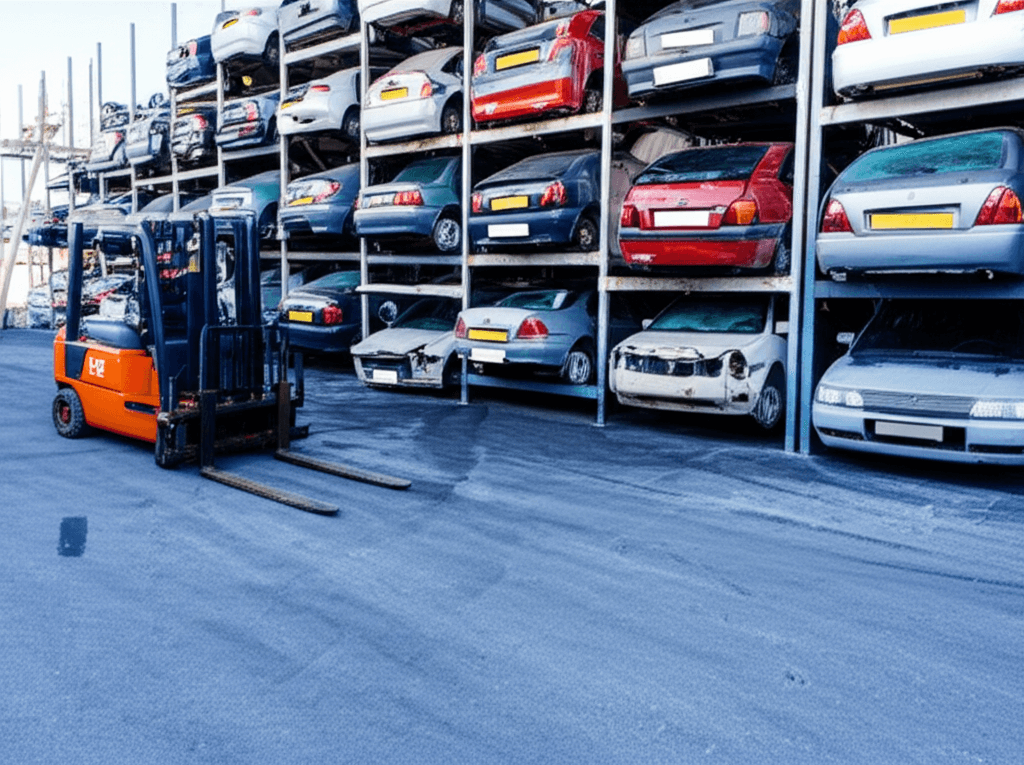
- Storage: Organised warehouse storage protects parts from weather damage
This process means when you buy a second-hand part, you know it’s been checked and will likely work.
Crushing and Metal Recycling
Once all usable parts and fluids have been removed, what’s left is the bare shell – and this is where recycling really kicks in.
The Crushing Process
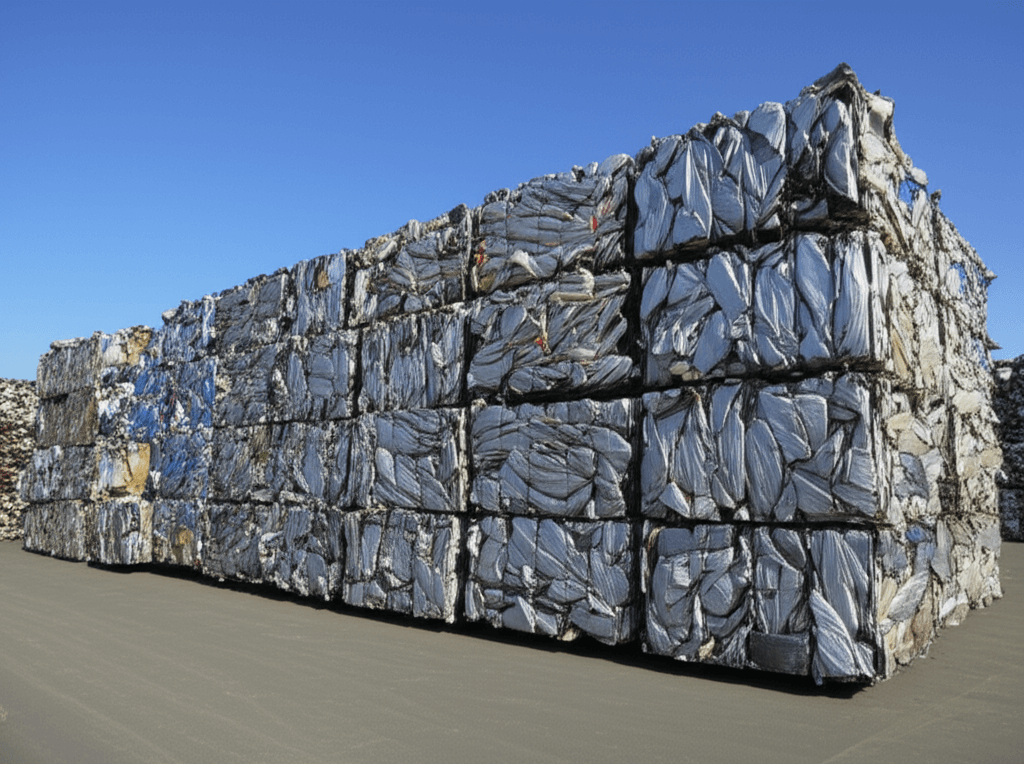
The stripped vehicle body goes through an industrial crusher or baler, which compresses it into a compact cube or bale. This makes transportation to recycling facilities much more efficient – you can fit many more crushed cars on a truck than whole ones.
Metal Recovery
At the recycling plant, the crushed cars go through shredders and separators:
- Steel: The largest component, separated magnetically and melted down for new steel products
- Aluminium: Found in engines, wheels, and trim – separated and recycled
- Copper: From wiring and components – valuable and highly recyclable
- Other metals: Brass, zinc, and other alloys are also recovered
Non-Metal Materials
Modern recycling also handles non-metal components:
- Plastics: Bumpers, interior trim, and other plastic parts are separated by type
- Rubber: Tyres and seals can be recycled into road surfaces or playground materials
- Glass: Crushed and recycled into new glass products
- Fabric: Seat materials and carpets are increasingly being recycled
The result? Around 80-85% of a typical car’s weight gets recycled or reused. That’s a significant environmental win compared to landfill disposal.
Why Choose Trentham Wreckers
At Trentham Wreckers, we’ve been part of Wellington’s car recycling industry for years. Our Wellington car wrecking services follow all the proper procedures to ensure your old vehicle is handled responsibly.
What Sets Us Apart
- Free car removal: We pick up your vehicle at no cost across the Wellington region from our Upper Hutt base
- Cash on the spot: Get paid immediately when we collect your car
- Environmentally responsible: All fluids and hazardous materials properly handled
- Quality parts: Our salvaged parts are tested and come with warranty
- NZTA compliant: We handle all deregistration paperwork for you
Ready to say goodbye to your old car? Contact us today for a free quote and easy removal.
Frequently Asked Questions
How long does the wrecking process take?
A typical vehicle takes 1-3 days to fully process, depending on how many usable parts it has. The fluid draining and initial assessment happen on day one, with parts removal following over the next day or two.
Do I need to remove my personal belongings first?
Yes, please check your car thoroughly before we collect it. Look in the glovebox, under seats, in the boot, and in any storage compartments. Wreckers will dispose of anything left in the vehicle.
What if my car still has a warrant and registration?
That’s fine – cars with current WOF and rego are often worth more because the parts are from a vehicle that was recently roadworthy. We’ll handle the deregistration process for you.
Can I keep some parts from my car?
Absolutely. If you want to remove specific parts before we collect the vehicle, that’s no problem. Just let us know so we can adjust our quote accordingly.
What happens to parts that can’t be resold?
Parts that aren’t suitable for resale still get recycled where possible. Metals go to scrap, plastics are separated for recycling, and only truly unusable materials go to landfill – which is a small percentage of the total vehicle.
Is car wrecking bad for the environment?
Actually, proper car wrecking is very environmentally friendly. By recycling 80-85% of the vehicle and safely disposing of hazardous materials, we prevent pollution and reduce the need for new raw materials.