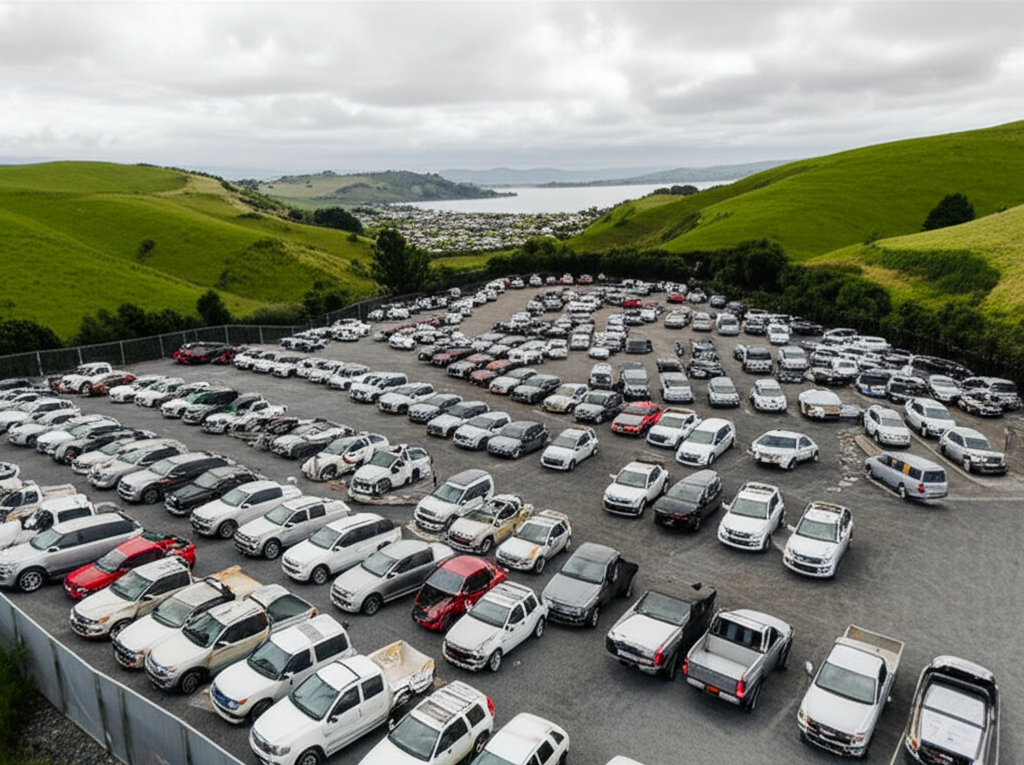
Quick Answer: A 4×4 is typically worth $500 to $19,000 for scrap in New Zealand, depending on make, model, year, condition, and current metal prices. Popular models like Toyota Hilux and Land Cruiser fetch the highest prices due to strong parts demand.
What’s in This Guide
- 2026 4×4 Scrap Value Pricing Table
- What Drives 4×4 Scrap Value
- How to Get the Best Price for Your 4WD
- Where to Sell Your 4×4 in Wellington
- FAQs
2026 4×4 Scrap Value Pricing Table
How much is a 4×4 worth for scrap? Prices vary significantly based on vehicle type and condition. Below are real 2026 price ranges collected from wreckers across New Zealand.
| Vehicle Type & Condition | Typical Scrap Value | Key Value Drivers |
|---|---|---|
| Non-running 4WD (rust, no WOF, mechanical failure) | $500–$1,200 | Steel weight, catalytic converter, battery |
| Running 4WD needing repairs | $1,200–$5,000 | Engine & 4×4 system condition, body panels |
| NZ-new Toyota Hilux or Land Cruiser | $8,000–$15,000 | Extremely high parts demand nationwide |
| Late-model SUV (RAV4, Prado, Ranger) | $10,000–$19,000 | Low km, service history, current model parts |
| Nissan Navara / Patrol | $2,000–$8,000 | Strong trade/farm demand, diesel engines |
| Mitsubishi Pajero / Triton | $1,500–$7,000 | Super Select 4WD parts, turbo diesel |
| Ford Ranger / Mazda BT-50 | $3,000–$12,000 | Shared platform, high NZ sales volume |
Note: These are indicative ranges. Your actual offer depends on the specific vehicle. Getting multiple quotes is always recommended—call at least two or three wreckers to compare.
What Drives 4×4 Scrap Value in New Zealand
Understanding what affects your 4×4’s scrap price helps you set realistic expectations and negotiate better. Here are the main factors wreckers consider when making an offer.
Vehicle Weight & Metal Content
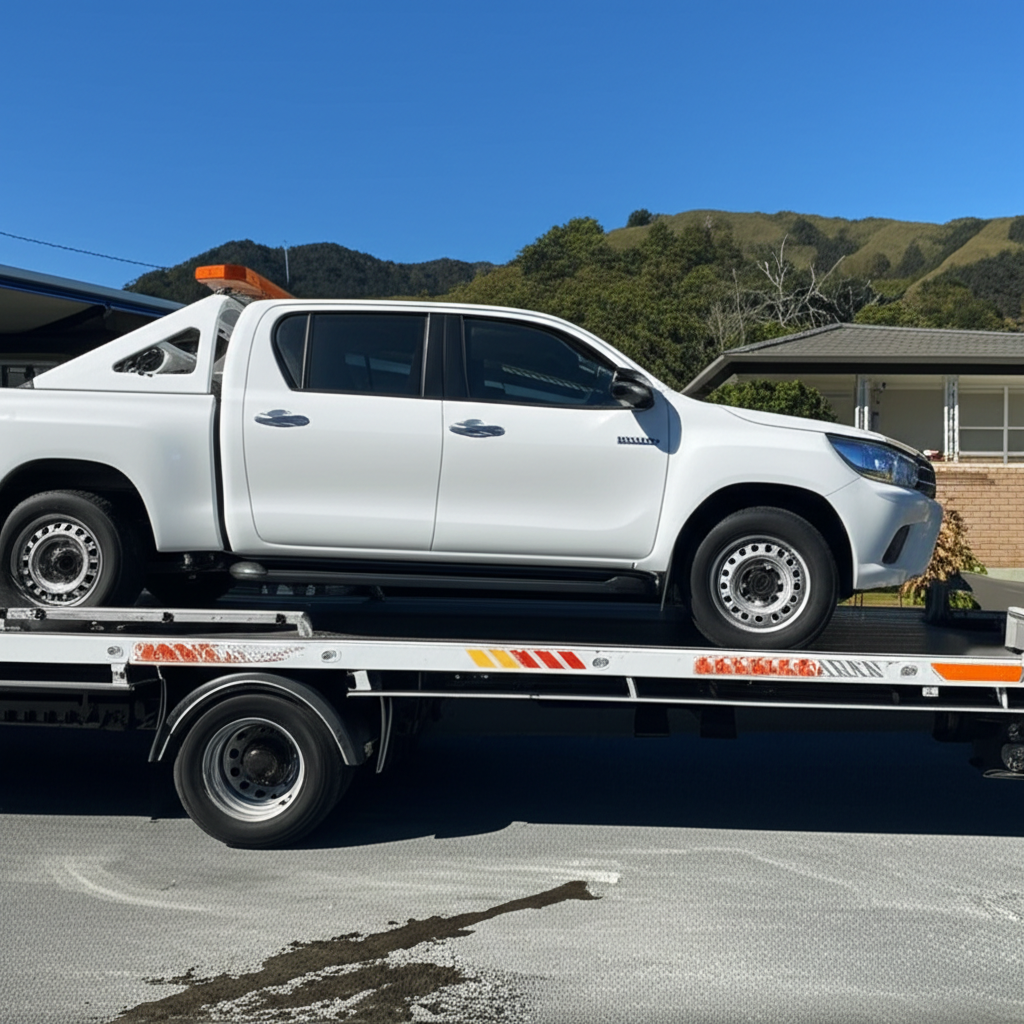
4WDs are heavier than standard cars—typically 1,800 to 2,500 kg—which means more scrap metal value. Steel and aluminium prices fluctuate with global markets, but a heavier vehicle generally commands a higher base price. Ladder-frame 4x4s like the Hilux and Land Cruiser contain more steel than unibody SUVs.
Parts Demand by Make & Model
This is the biggest factor. Toyota Hilux parts are in constant demand across New Zealand, Australia, and the Pacific Islands. A wrecker can sell individual components—engines, gearboxes, transfer cases, diff housings, turbochargers—for far more than the scrap metal value alone. Models with strong parts demand include:
- Toyota: Hilux, Land Cruiser (70/80/100/200 series), Prado, FJ Cruiser
- Nissan: Navara D40, Patrol Y61/Y62, Pathfinder
- Ford: Ranger PX series, Everest
- Mitsubishi: Pajero, Triton MQ/MR
Drivetrain & Mechanical Condition
A working 4WD system (transfer case, front and rear differentials, CV joints) significantly increases value. Even if the engine is blown, a functional drivetrain can be worth $1,000–$3,000 on its own. Automatic transmissions in good condition also add considerable value.
Current Scrap Metal Prices
New Zealand scrap steel prices in 2026 sit around $200–$350 per tonne. For a 2-tonne 4×4, that’s a base metal value of $400–$700. However, wreckers factor in dismantling costs, so the pure metal value is just the starting point—not the final offer.
Age, Kilometres & Service History
Lower-kilometre vehicles with documented service histories fetch premium prices. A 2015 Hilux with 150,000 km and full dealer service records is worth substantially more than the same model at 350,000 km with no history. Even for scrap, newer models with fewer kilometres attract better offers.
How to Get the Best Price for Your 4WD
Whether you’re selling to a wrecker, private buyer, or trade-in dealer, these tips will help you maximise your 4×4’s value.
1. Get Multiple Quotes
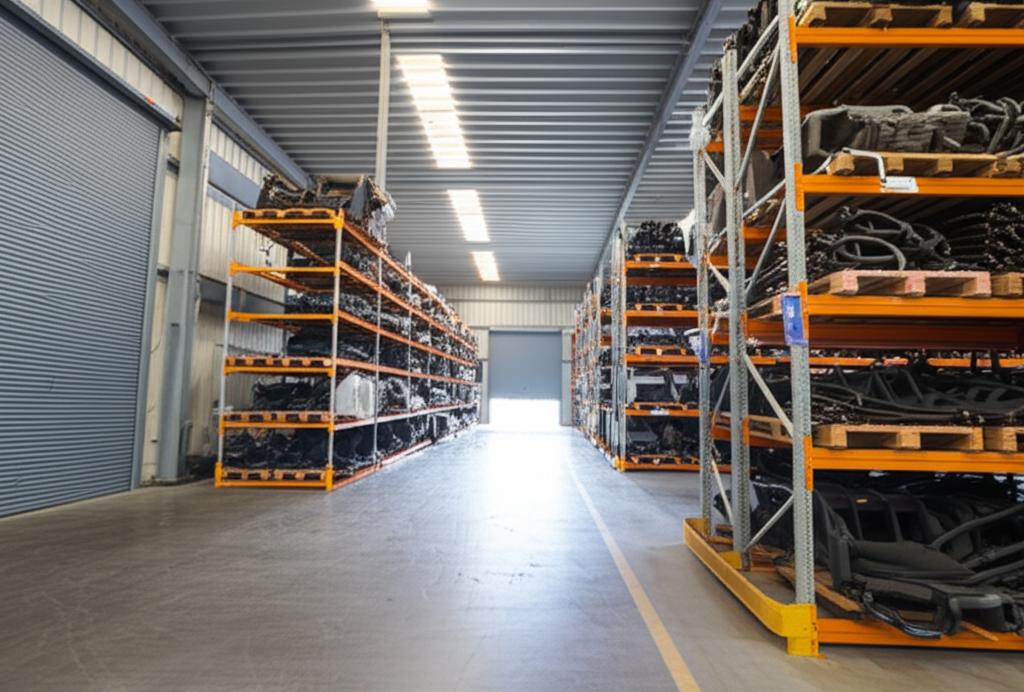
Never accept the first offer. Call at least three wreckers or cash-for-cars services and compare. Prices can vary by $500–$2,000 for the same vehicle. Most offer free, no-obligation quotes over the phone.
2. Keep Both Sets of Keys
Missing keys cost the buyer time and money to replace—typically $200–$500 for a modern 4WD with transponder keys. Having both sets (or even just one working key) increases your offer.
3. Leave Factory Alloys & Good Tyres On
A set of factory alloy wheels with decent tyres can add $200–$800 to your quote. Steel wheels with bald tyres add nothing. If you have both sets, include the alloys.
4. Provide Service Records
Service books and receipts prove the vehicle’s mechanical history. A documented timing belt change or recent engine service tells the wrecker the major components are in better condition, which translates to a higher offer.
5. Remove Personal Belongings (But Leave Accessories)
Clear out your personal items, but leave bolt-on accessories like bull bars, roof racks, tow bars, and snorkels. These add value for wreckers and are expensive to source separately.
6. Be Honest About Condition
Accurate descriptions lead to firm quotes. If you say “minor rust” and the wrecker finds the chassis is rotted through, they’ll drop the price at pickup. Being upfront avoids awkward negotiations on the day.
Where to Sell Your 4×4 in Wellington
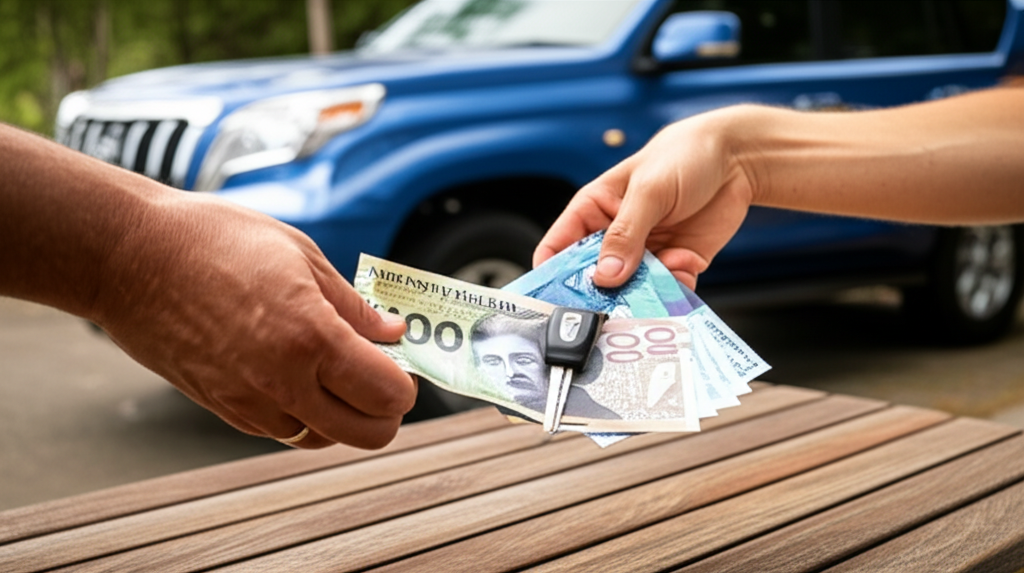
If you’re based in the Wellington region and want to sell your 4WD for scrap or cash, Trentham Wreckers offers competitive prices with free same-day collection. As specialist 4×4 wreckers in Wellington, we understand the true value of four-wheel-drive vehicles and consistently offer some of the best prices in the region. Call 022 434 0418 for a free, no-obligation quote.
Frequently Asked Questions
How much is a non-running 4×4 worth for scrap?
A non-running 4WD is typically worth $500–$1,200 depending on weight, make, and what components are still salvageable. Popular models like the Hilux or Ranger can fetch more even when not running, due to parts demand.
Do 4x4s have higher scrap value than regular cars?
Yes. 4WDs weigh significantly more (1,800–2,500 kg vs 1,100–1,400 kg for a sedan), contain more valuable drivetrain components, and their parts are in higher demand. This typically means 30–50% more than an equivalent-age car.
Are Toyota 4x4s worth more for scrap than other brands?
Generally yes. Toyota Hilux and Land Cruiser parts are the most sought-after in New Zealand due to their market dominance and export demand. This drives consistently higher scrap values compared to less common brands.
What happens to my 4×4 after a wrecker buys it?
Licensed wreckers drain all fluids, remove the battery, strip reusable parts (engine, gearbox, body panels, accessories), and then crush the remaining shell for metal recycling. The entire process achieves approximately 95% material recovery.
Can I sell individual 4×4 parts instead of the whole vehicle?
You can, but it’s time-consuming. Selling an engine, gearbox, or diff set privately may net more money, but you’ll need mechanical knowledge, tools, and weeks of listing and negotiating. Selling the complete vehicle to a wrecker is faster and usually more practical.
Does the location affect 4×4 scrap value?
Slightly. Urban areas with more wreckers and competition (Auckland, Wellington, Christchurch) tend to produce better offers. Remote areas may see lower prices due to higher towing costs, though most reputable wreckers include free collection regardless of location.