
Quick Answer: Around 41% of vehicles in New Zealand fail their WoF on the first attempt, with lights, tyres, brakes, and suspension being the most common reasons. If your repair bill is approaching 40–60% of your car’s market value, scrapping is usually the smarter financial decision. Lower Hutt residents can get a free same-day car removal and instant cash quote from Trentham Wreckers.
What’s in This Guide
- WoF Failure Rates in New Zealand
- Most Common WoF Failures
- Typical Repair Costs in NZ
- When to Scrap Instead of Repair
- WoF Testing Stations in Lower Hutt
- What to Do With a Failed Car in Lower Hutt
- FAQs
WoF Failure Rates in New Zealand
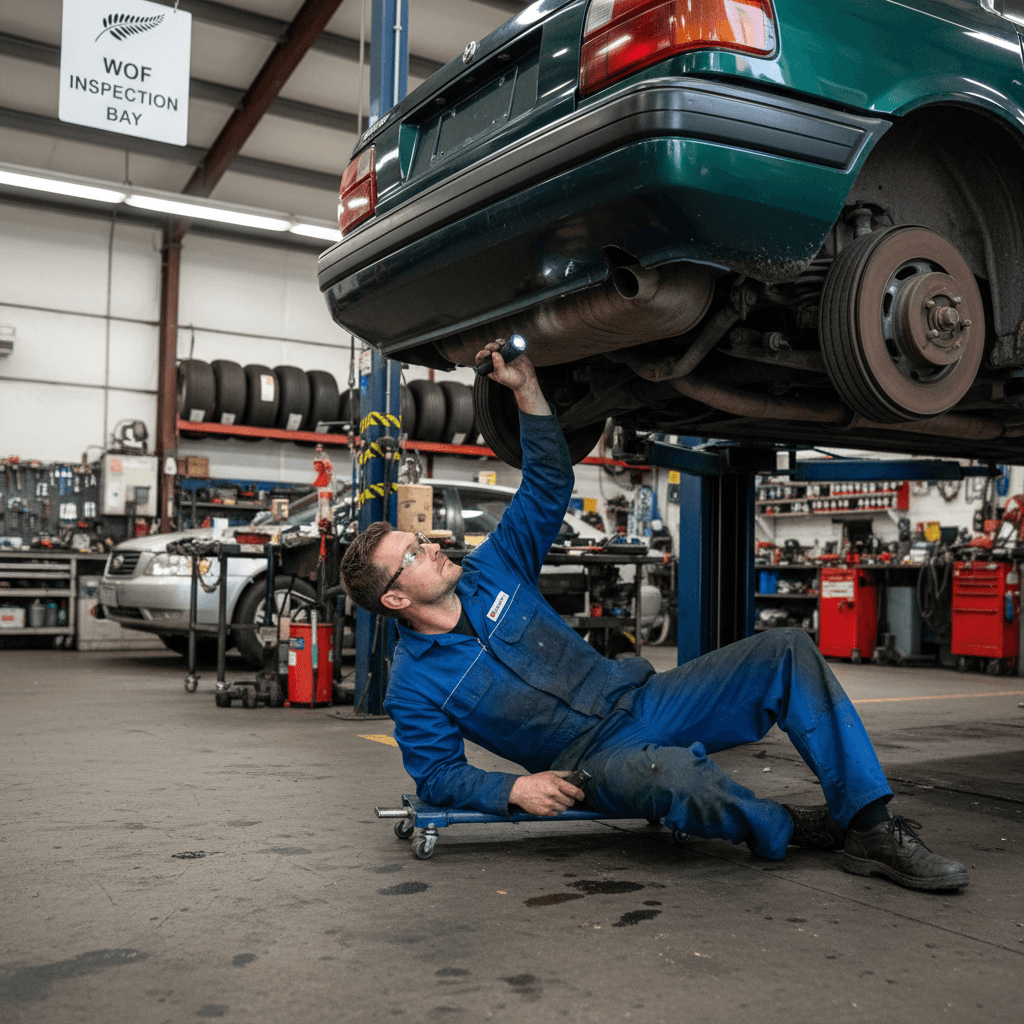
According to the Motor Trade Association (MTA), approximately 41% of vehicles fail their WoF on the first inspection. That means roughly 4 in 10 cars driven to a testing station are found to have at least one safety defect that needs fixing before they can pass.
The failure rate varies by region. Waikato, Gisborne, and Otago report some of the highest rates at around 46%, while Marlborough sits closer to 33–36%. The Wellington region, including Lower Hutt, falls somewhere in between.
Vehicle age plays a significant role. NZ-new vehicles at four years old have a failure rate of around 22%, while vehicles aged 4–10 years fail at roughly 25%. Older imported vehicles — which make up a large share of the Lower Hutt fleet — tend to fail more frequently, particularly on structural and suspension items.
NZTA data from recent inspections recorded over 316,000 brake faults and 293,000 tyre faults across 3.1 million inspections in a six-month period alone.

Most Common WoF Failures
MTA data shows that 70% of all WoF failures come down to five core safety systems. Here is what gets flagged most often:
| Failure Category | Common Issues |
|---|---|
| Lights | Blown bulbs, cracked lenses, misaligned headlights, faulty indicators |
| Tyres | Tread below 1.5mm minimum, uneven wear, cracking, bulging sidewalls |
| Brakes | Worn pads, thin discs, leaking brake lines, handbrake not holding |
| Suspension | Worn bushings, leaking shocks, broken springs, excessive play in joints |
| Steering | Worn tie rod ends, loose steering rack, power steering leaks |
Other common fail items include windscreen damage, exhaust leaks, structural rust, and wipers. For older vehicles in Lower Hutt — particularly Japanese imports from the early 2000s — rust and suspension wear are particularly prevalent due to the age of the fleet and the Hutt Valley’s damp conditions.

Typical Repair Costs in NZ
A WoF inspection itself costs between $50 and $90 depending on the provider. But when your car fails, the repair bill is where the real cost sits. Here is what you can expect to pay at a Lower Hutt workshop:
| Repair Item | Typical NZD Cost |
|---|---|
| Tyre replacement (each) | $100 – $200 |
| Brake pad replacement (per axle) | $150 – $250 |
| Suspension repairs | $300 – $700 |
| Exhaust repairs | $100 – $400 |
| Lighting fixes (bulbs/wiring) | $20 – $150 |
| Windscreen replacement | $300 – $1,500+ |
| Steering component repairs | $300 – $1,200+ |
| Structural rust repair | $200 – $1,500+ |
A single failed item might be manageable. But when a car fails on three or four items at once — worn tyres, thin brake pads, a leaking shock absorber, and a cracked windscreen — the repair bill can quickly reach $1,500 to $3,000 or more.
When to Scrap Instead of Repair
The general rule of thumb in New Zealand is: if the WoF repair bill is 40–60% or more of your car’s current market value, scrapping usually makes more financial sense.
Here is how to think about it:
- Repair makes sense — 1–2 minor items, car is otherwise reliable, and the total cost is well under half the car’s value.
- Consider scrapping — multiple major failures, the car has other ongoing issues (overheating, oil leaks, transmission problems), and the total repair bill is approaching what the car is worth.
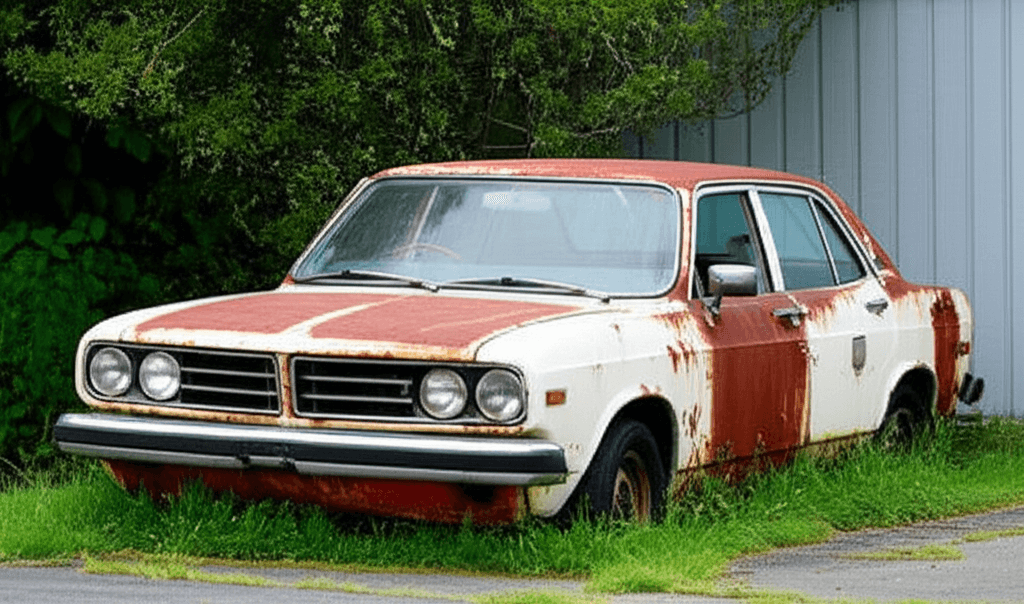
- Definitely scrap — structural rust, major engine or gearbox failure on top of WoF items, or the car has already failed WoF multiple times in the past year with escalating repair costs.
For example, if you have a 2005 Toyota Corolla worth roughly $3,000 and the WoF repair quote comes back at $1,800 for suspension, brakes, and tyres — that is 60% of the car’s value. You would be putting $1,800 into a vehicle that will likely need more work within the next 6–12 months.
In that situation, selling to a car wrecker and putting the cash toward a newer vehicle is usually the better move. You can read more about this decision in our guide on what to do when your car fails its WoF.

WoF Testing Stations in Lower Hutt
If you are getting your car inspected in Lower Hutt, here are the main testing station options:
- VTNZ Lower Hutt — 25 Brunswick Street, Hutt Central
- AA Lower Hutt — Queensgate Shopping Centre, Lower Hutt
- Various independent garages — authorised WoF inspectors throughout Petone, Seaview, Naenae, and surrounding suburbs
A standard WoF inspection costs between $50 and $90. If your car fails, you will receive a list of defects that need fixing before a re-inspection. The re-inspection is usually free or discounted if done within 28 days at the same provider.
For residents in Petone, Naenae, Stokes Valley, Wainuiomata, and Eastbourne — if your mechanic’s quote after a failed WoF is more than the car is worth, getting a cash offer from a local wrecker is a straightforward alternative.
What to Do With a Failed Car in Lower Hutt
If your car has failed its WoF and the repairs do not stack up financially, here is the process for selling it to a wrecker in Lower Hutt:
- Get a quote — Call or fill out an online form with your car’s make, model, year, and condition. You will get an instant cash offer.
- Book a pickup — If you accept the offer, a tow truck is sent to your Lower Hutt address at a time that suits you. Same-day pickup is available.
- Get paid — Cash is paid on the spot when the vehicle is collected. No hidden fees, no deductions.
- Deregistration — The wrecker handles the paperwork. You can also read our guide on deregistering your car in Wellington if you want to understand the process.
Your car does not need a WoF, registration, or even need to be running. Our cash for cars service in Lower Hutt covers all suburbs with free vehicle removal.
Frequently Asked Questions
How much does a WoF cost in Lower Hutt?
A standard WoF inspection costs between $50 and $90 at most Lower Hutt testing stations including VTNZ and AA. The inspection fee covers the check itself — any repairs needed are charged separately by your mechanic.
What is the most common reason for WoF failure in NZ?
Lights are the leading cause of WoF failure in New Zealand, followed by tyres, brakes, and suspension. Together, these five categories account for around 70% of all failures.
Can I sell a car that has failed its WoF?
Yes. Car wreckers buy vehicles regardless of WoF status. You do not need a current WoF or registration to sell your car to a wrecker. Read more in our guide on selling a car without WoF or rego.
How much is a scrap car worth in Lower Hutt?
Scrap car values depend on the make, model, year, weight, and condition. Small hatchbacks typically fetch $150–$500, while larger vehicles in reasonable condition can be worth $2,000–$5,000 or more. See our full scrap car prices guide for detailed breakdowns.
Do you pick up cars from all Lower Hutt suburbs?
Yes. Free car removal is available across all Lower Hutt suburbs including Petone, Naenae, Stokes Valley, Wainuiomata, Eastbourne, Hutt Central, Avalon, Taita, and Epuni. Same-day pickup is available in most cases.